Is Vancouver a Good Place to Live? Uncover the Benefits and Facts of This West Coast Canadian City
Exploring Vancouver Nature, Sunshine, and Outdoor Activities
Imagine living where you can hike one day, explore the city the next, and spend some time on the beach. It sounds like a dream come true, but it’s a reality if you live in Vancouver, Canada.
From its stunning natural beauty to its vibrant cultural scene, there are so many reasons why living in Vancouver is fantastic. Here’s an overview of what life is like in this picturesque city!
Vancouver’s Natural Beauty
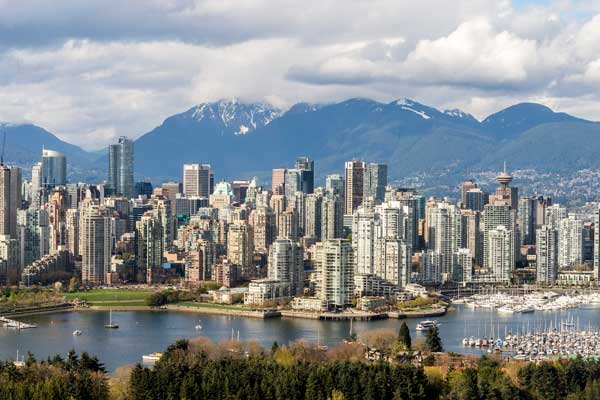
It’s no secret that Vancouver is home to some of the most breathtaking natural landscapes on earth.
From its majestic mountains to its lush forests and glistening lakes, each part of the province offers stunning sights and endless opportunities for exploration.
Whether hiking up Grouse Mountain or kayaking around Stanley Park, there’s something here to satisfy even the most adventurous nature lovers.
Sunshine and Outdoor Activities
If you’re looking for plenty of sunshine and outdoor activities, look no further than Vancouver. With mild weather all year round—and plenty of sunshine during the summer months—there isn’t a wrong time to visit this beautiful city.
In addition to hitting up the beaches for a swim or renting kayaks for an afternoon adventure, you can also take advantage of local parks and trails for biking or walking tours throughout town.
There’s even more outdoor fun when winter comes around – from skiing at Whistler Blackcomb to snowshoeing around Grouse Mountain!
The City Life
No matter how you choose to explore the city – Vancouver never fails to deliver fun things to do! Of course, it’s not just about nature; plenty also happens in town!
From unique shops and restaurants in Gastown to live music venues and sports games throughout downtown Vancouver – there’s something here for everyone! And if you want something more relaxed – wander around Granville Island Market or take an evening stroll along English Bay Beach.
A Guide to Finding Something Fun to Do in Vancouver
Vancouver is a vibrant city, full of life and plenty of activities. From Gastown to Kitsilano, there’s something for everyone! Whether you’re an immigrant who’s just moved to Vancouver or a local looking for something new, this guide will help you explore the best the city offers.
Gastown is one of the oldest neighborhoods in Vancouver and boasts some of the city’s best restaurants and bars. It also offers unique shopping opportunities, from high-end boutiques to vintage stores.
Plus, there are plenty of art galleries, museums, and historical sites worth exploring—so don’t forget your camera! With cobblestone streets and historic buildings, it’s like stepping back in time!
Kitsilano is another popular neighborhood in Vancouver. Here you can find stunning beaches with views of the North Shore Mountains and English Bay.
There are also plenty of great cafes and restaurants where you can grab a bite to eat or relax with a cup of coffee while admiring the view. The area is known for its laid-back atmosphere, so it’s perfect for taking a break from hectic downtown life.
Vancouver is also home to numerous outdoor activities such as hiking, biking, kayaking, and more! Enjoy all that nature offers by visiting nearby parks or trails—you might even spot some wildlife along the way!
If you prefer indoor activities, there are plenty of entertainment venues such as movie theatres, bowling alleys, and arcades, so no matter your interests, there will be something for everyone in this beautiful city.
Stanley Park – A Must-See Destination in Vancouver
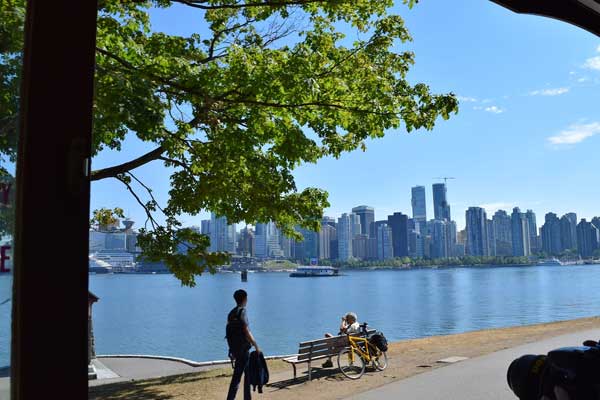
Are you new to Vancouver and looking for something unique to do? If so, a visit to Stanley Park should be on your list! This 400-hectare park is located on the edge of downtown Vancouver and has something for everyone.
Whether you’re a nature enthusiast or want to enjoy beautiful views, Stanley Park will surely please you. Let’s explore what this park has to offer!
Walking Tours
One of the most popular ways to experience Stanley Park is by booking a walking tour. These tours are led by knowledgeable guides who will teach you about the local flora and fauna and give an overview of this park’s incredible history; who doesn’t love exploring nature?
Take In The Views: If walking isn’t your thing, no problem – Stanley Park has plenty of other options for taking in its spectacular views.
From its stunning beaches, tall trees, and lush gardens, there’s no shortage of breathtaking scenery here. You can also take a stroll along the seawall or grab a bite at one of the many restaurants within the park.
Activities For Everyone
Are you looking for some active fun? Many activities are available at Stanley Park, including biking trails, rollerblading paths, tennis courts, swimming pools, and more! You can even rent bikes or kayaks if you don’t have one already.
There are also tons of educational programs offered throughout the year, so it’s always worth checking out what events may be happening when you visit.
Exploring Yaletown: Designer Clothing, Local Artisans, and More!
Are you looking for a shopping experience unlike any other? Look no further than Yaletown in beautiful Vancouver, Canada. A melting pot of designer clothing stores, local artisans, restaurants, and more – Yaletown has something for everyone to enjoy.
Whether you’re looking for some new clothes or a unique souvenir from your visit to the city, you’ll find it all here in Yaletown. Let’s explore what this trendy destination has to offer!
The Shops of Yaletown
Yaletown is home to various shops that cater to everyone’s needs. From high-end designer clothing stores such as Hugo Boss and Holt Renfrew to local artisan boutiques like Everybody Loves Rainbows and The Wilder Snail – there is something for everyone here.
Plenty of restaurants offer delicious meals (both traditional Canadian fare and international cuisine) if you’re feeling peckish after all that shopping. There are also plenty of thrift stores where you can find great deals on vintage items. Plus, there are many cafes where you can grab a sweet treat or coffee while people watch.
Discovering Local Artisans
One of the best things about Yaletown is its wide variety of local artisans and craftsmen who offer unique handmade goods. These range from jewelry makers and stationary designers to woodworkers and metal smiths – all creating beautiful items that make perfect gifts or souvenirs from your trip. Not only will these artisans provide you with unique keepsakes, but they’ll also allow you to support small businesses in Vancouver.
Sharing the Love with Others
Finally, if you want more than just retail therapy in Yaletown, why not share the love with others? Many volunteer opportunities are available in this vibrant area, allowing visitors to give back to their community by helping those less fortunate.
Whether serving meals at a soup kitchen or helping out at a local animal shelter, sharing your time with those who need it most will surely make your visit one that won’t soon be forgotten.
A Taste of Vancouver – Everything You Need to Know About Dining Out in Canada’s West Coast Metropolis
Vancouver is a beautiful city located on the west coast of Canada. It is no surprise that it has become one of the top tourist destinations in the country. But don’t let its beauty fool you; there is more to Vancouver than just its stunning scenery.
The city has a vibrant food scene with something for everyone — from fresh seafood to authentic Asian cuisine. Get ready to explore what the vibrant city has to offer!
Fresh Seafood
When you think about dining out in Vancouver, the first thing that comes to mind is likely seafood. After all, this port city is known for having some of the freshest seafood around.
Plenty of restaurants throughout the city serve delicious seafood dishes for you to enjoy. You can find it all here, from salmon and halibut to crab and mussels. Be sure to try local favorites like fish tacos or fish and chips.
Authentic Asian Cuisine
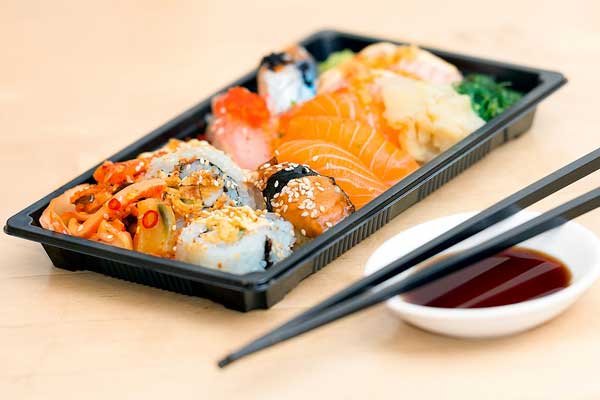
Vancouver also boasts authentic Asian cuisine — from Chinese and Japanese specialties to Korean BBQ and Thai curries.
Whether you’re looking for an upscale dining experience or a casual meal at a hole-in-the-wall spot, many options are available throughout the city. Moreover, many of these restaurants feature fusion dishes that combine traditional flavors with modern elements for an exciting new experience.
International Food Scene
Vancouver isn’t only limited to local fare; its diverse population means a wide range of international cuisines is available throughout the city.
From Italian trattorias and Spanish tapas joints to Jewish delis and Greek tavernas, there are many different types of ethnic eateries waiting for your taste buds to explore them!
Vancouver the City’s Live Music Scene
You’ve come to the right place if you’re new to Vancouver and looking for a good time. Canada’s third-largest city has a vibrant nightlife scene ranging from cozy cocktail lounges to bustling live music venues. Whether you want to relax with a glass of wine or dance the night away, this guide will help you find your perfect spot in Vancouver.
Start your evening at one of Vancouver’s many cocktail lounges for something more low-key. These spots are ideal for relaxing with friends and enjoying some of Canada’s best craft cocktails.
Remember to sample some of the local beers too! Check out Elixir Bistro & Bar or The Emerald Supper Club for upscale vibes and delicious drinks.
If you’re looking for something a bit livelier, head to one of Vancouver’s many live music venues for a guaranteed good time! Venues like The Roxy Cabaret and The Biltmore Cabaret offer an eclectic variety of music from jazz, rock, punk, country, and more—so whatever your taste in tunes is, there’s sure to be something that appeals to you! Plus comes with plenty of space for dancing if that’s what you’re after.
You can always count on this spot for great tunes and fun! And then there are venues like Guilt & Company, which offers an all-inclusive experience – food, drinks, music, and even comedy shows—all under one roof! Or The Fox Cabaret – home to some amazing DJ sets every Friday and Saturday night.