Is Kitchener a Good Place to Live

Is Kitchener A Good Place To Live? Everything You Need To Know Before Moving

I moved to Kitchener on a rainy October morning, carrying two suitcases and a stubborn hope that a smaller city could feel big enough.

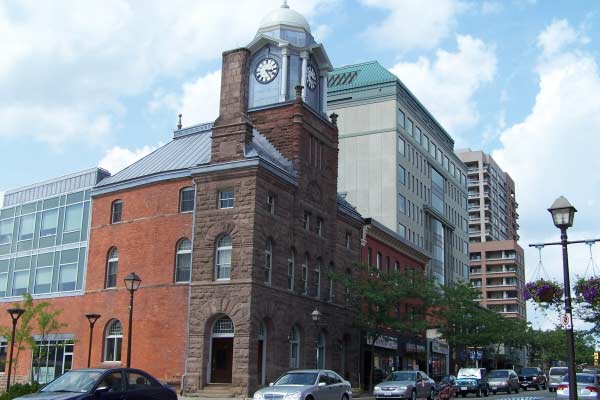
I remember the first cup of coffee at a corner café in Uptown, the way the barista said my name with a soft curiosity, and how the clock tower chimed while people walked dogs and commuted to work.

That first week felt like being in a story that wasn’t quite mine yet — but the city kept offering small ways in: a friendly nod at the market, a new trail to learn, a neighbour who lent a ladder. I stayed.

Disclaimer: This article mixes data and lived experience. I cite recent public sources for facts (population, transit, housing, safety). Personal perspective is honest but not exhaustive — neighbourhoods vary and what fits one person may not fit another.

Is Kitchener A Good Place To Live

Table of Contents show

Quick Snapshot (At A Glance)

Quick Fact Snapshot
Region Population (CMA) Kitchener–Cambridge–Waterloo CMA ~576,000 (2021 census). (Statistics Canada)
Housing Market Prices and demand have been shifting; region averages have softened in 2025 but remain higher than pre-pandemic in many areas. (WOWA)
Transit Light rail (ION) connects parts of the region and has changed commuting patterns. (GRT)
Economy Strong tech and startup presence anchored by universities and innovation hubs. (ITIF)
Safety Note Recent reporting indicates heightened regional crime concerns and local police responses. (CityNews Kitchener)

Why This Question Matters

When people ask “Is Kitchener a good place to live?” they’re really asking a dozen quieter questions: Can I afford it? Will I feel safe? Is there work that fits my life? Will my kids like it? Will I belong? This article answers those questions with facts, close observations, and practical checklists so you can decide for yourself.

The Heart Of The City: Uptown, Downtown, And The Neighbourhoods

Kitchener is stitched from neighbourhoods that feel distinct. Uptown has the clock tower, cafes, and festivals. Downtown mixes old mills and new condos. Outside those cores are quiet grids of family houses and leafy streets.

What It Feels Like

Short sentences. People walk. Dogs are plentiful. There are really good bakeries. There are new condos. There are still stores that remember your name.

What It Really Means

Kitchener is not one mood. It’s many. If you want buzz and events, explore Uptown and the downtown strip. If you want quieter blocks and back-yard gardens, there are pockets that feel calm and settled.

What Helps

  • Visit for a weekend. Walk a morning market.
  • Spend time in at least two different neighbourhoods before choosing.
  • Talk to a local barista or shop owner — they’ll tell you what Google can’t.

Cost Of Living & Housing — Can You Afford It?

Housing has been the top concern for anyone moving to Kitchener. Prices rose sharply during the broader Canadian housing boom, driven in part by the tech cluster and demand for homes near good transit and universities.

In 2025 there were signs of cooling in listings and average sale prices across the region, but affordability remains a practical challenge for many buyers and renters.

Simple Reality

Rent and mortgage costs vary a lot by neighbourhood and house type. Condos and townhouses are usually more affordable than detached houses. New builds often command a premium if they’re close to transit or downtown.

What It Really Means

If you’re on a tight budget, you can still find options — but you will need patience, research, and likely a willingness to compromise on size or commute.

What Helps (Checklist)

  • Set a firm budget and stick to it.
  • Consider townhouses/condos near transit for lower monthly costs.
  • Use local realtor reports and MLS snapshots to watch month-to-month trends.
  • If renting, get references and visit properties in person.

Jobs And The Local Economy — Tech, Startups, And More

Kitchener sits in a region — Waterloo Region — that’s internationally known for tech, startups, and university-driven innovation. The University of Waterloo and organizations like Communitech anchor a sizable cluster of tech employers and startups.

This creates opportunities in software, AI, cybersecurity, and related services. The region’s tech ecosystem has been growing steadily, adding thousands of jobs and attracting companies and investment.

What It Feels Like

There are coffee meetups about machine learning. There are job boards full of developer roles. There are community events for founders. If your work is in tech or knowledge work, local options are strong.

What It Really Means

Tech jobs are a major draw — but not the whole story. There’s a healthy range of services, health care, education, manufacturing, and public sector roles as well.

What Helps

  • If you’re job hunting, connect with Communitech job boards and local university career centres.
  • Leverage networking events — many hiring happens via referrals here.
  • For non-tech roles, the health and public sectors are substantial local employers.

Is Kitchener A Good Place To Live

Transit, Commuting, And Getting Around

Transit in Kitchener changed meaningfully in recent years due to the ION light rail and integrated bus networks. The LRT links key parts of Kitchener and Waterloo, shifting commuting flows and making some parts of the region more attractive to people who prefer transit over driving.

That said, many residents still rely on cars — especially if they live outside the core or commute to other parts of the Greater Toronto Area.

What It Feels Like

A commute can be calm: a short walk, a quick train, a coffee, then work. Or it can be longer and car-dependent if you live farther out.

What It Really Means

If transit matters to you, pick neighbourhoods near ION stops or strong bus routes. If you prefer a car, plan for parking and occasional traffic.

What Helps

  • Map your commute during rush hour before you move.
  • Consider proximity to ION stops if you want reliable transit.
  • Factor in winter weather. Driving and transit both slow in snow.

Schools, Families, And Childcare

Kitchener is family-oriented in many neighbourhoods. There are public and Catholic schools, childcare centres, and community programs. Access to Waterloo Region schools and certain specialty programs (e.g., French immersion) varies by neighbourhood.

What It Feels Like

Playgrounds, soccer fields, and school bake sales. Libraries offering story time. Families in layers of parkas and smiles.

What It Really Means

Public-school ratings and waitlists for childcare can differ widely. If school quality or specific programs matter, research school boundaries and current waitlists.

What Helps

  • Contact the local school board for catchment details.
  • Visit schools and talk to parents.
  • Join local parent groups on social media to learn real experiences.

Parks, Green Space, And Weekend Life

Kitchener has plenty of green space. There are river trails, parks like Victoria Park, and nearby conservation areas for hiking and winter sports. Weekend markets, festivals, and a lively arts scene make the city feel active without being overwhelming.

What It Feels Like

A Saturday morning that might include a farmer’s market, a long walk, and an afternoon show.

What It Really Means

If you love being outdoors and value community events, Kitchener gives you both in spades — especially if you enjoy small, local festivals and seasonal programming.

What Helps

  • Learn the main trails and parks near your prospective neighbourhood.
  • Bookmark the city’s events calendar for seasonal planning.

Safety And Crime — Honest, Local Context

Safety is a top-level concern. Recent reporting flagged rising crime rates in the Waterloo Region compared with other Ontario regions, prompting local discussion about policing, prevention, and community responses. That’s a regional trend with local impacts and active civic engagement.

What It Feels Like

You may walk parts of the city feeling safe and friendly. You may hear neighborhood stories about car break-ins, theft, or other incidents. Both can be true.

What It Really Means

Crime statistics are uneven by neighbourhood and by offence category. Context matters: some offences rise in one category while others remain low. Use local police statistics and neighbourhood reports for a clearer picture.

What Helps

  • Check Waterloo Regional Police Service neighbourhood crime maps and recent reports. (Waterloo Regional Police)
  • Talk to neighbours, local shop owners, and community groups about safety concerns.
  • Consider simple home security measures and community watch groups.

Healthcare And Services

Kitchener is home to hospitals, clinics, and specialist services for urban life. If access to healthcare is a priority, the region provides hospitals and many clinicians — though wait times and specialist availability can vary, as in most Canadian cities.

What It Really Means

Healthcare access is generally good, but confirm wait times for specific needs and check family doctors’ availability in your area.

What Helps

  • Look up local hospital services and specialty clinics before relocating.
  • Join local Facebook community pages where people share recent experiences and recommendations.

Community, Culture, And Belonging

There’s a comforting human scale here. You’ll find grassroots arts groups, community centres, and cultural festivals. The university presence adds energy and diversity. Newcomers often report quick ways to meet people: meetups, co-working spaces, sports leagues, and local volunteer groups.

What It Feels Like

Neighbourliness with amenities. A city that’s serious about innovation but still feeds you at the farmers’ market on Saturdays.

What It Really Means

If you want a city where you can be a maker, a coder, a gardener, or a festival person, you’ll find your people sooner or later.

What Helps

  • Volunteer. It’s the fastest way to meet people.
  • Try co-working spaces and meetups if you work remotely.
  • Use community centre programming to meet neighbours.

Pros And Cons (Practical Table)

Pros Cons
Strong local tech economy and job opportunities. Housing affordability remains a challenge for many.
Good transit options in core areas (ION, buses). Crime concerns have been raised in recent regional reports.
Active cultural life, parks, and festivals Commutes by car can be long from outskirts; winter weather affects travel
A human-scale city with easy neighbour connections Some services and niche specialists may require travel to larger centres

Neighborhood Selection: A Tiny Field Guide

Short scripts to use when you visit:

  • “Hi — we’re new to the area. What’s your favourite part of living here?”
  • “Which street would you avoid at night?”
  • “Where do you walk your dog on the weekends?”

Quick Neighborhood Tips

  • Uptown: Great for cafes, events, walkability.
  • Downtown: Mixed-use, condos, nightlife.
  • Family neighbourhoods: Quieter streets, schools, parks.
  • New developments: Modern, but check for construction noise and future development plans.

Moving Checklist — Practical, Short, Doable

  1. Visit twice (weekday + weekend).
  2. Walk the exact route of your commute during rush hour.
  3. Ask neighbours about parking, snow clearing, and garbage days.
  4. Check school catchments and childcare waitlists.
  5. Confirm transit stop locations and schedules.
  6. Budget for moving costs, deposits, and initial groceries.
  7. Take photos of any rental issues on move-in day.

Money Conversations: Scripts And Templates

If you’re negotiating a lease:

  • Script: “We love this unit. Are utilities included? If not, what’s the average monthly cost?”
  • Script: “We’re ready to sign. Would you accept a lease starting two weeks later?”

If buying and discussing with a realtor:

  • Script: “I’m focused on neighborhoods with short transit commutes. Can you show comparable sales within a 15-minute walk to an ION stop?”

Climate And Seasons — What To Expect

Kitchener has four clear seasons. Winters bring snow and cold. Summers are warm and green. Spring and fall are for festivals and quick hikes.

What It Really Means

Seasonal gear matters. If you bike, winter will be different. If you love long summer evenings, you’ll love local patios and parks.

What Helps

  • Buy winter tires if you drive.
  • Learn the main walking trails for sunny weekends.
  • Check municipal snow clearing plans for your street.

A Note On Diversity And Inclusion

Kitchener is increasingly diverse. The university and tech scene bring international students and professionals. There’s religious and cultural diversity across neighbourhoods, and community services aimed at newcomers.

What It Really Means

You can find cultural communities and services. If belonging is critical, seek neighbourhoods and groups that match your values and cultural needs.

Final Thoughts — For Whom Kitchener Is A Good Fit

Kitchener is a good place to live if you:

  • Want a smaller city with big-city amenities.
  • Work (or want to work) in tech, startups, or knowledge sectors. (ITIF)
  • Value community events, parks, and strong local culture.
  • Prefer neighbourhoods where you can get to know shopkeepers and neighbours.

Kitchener may be less ideal if you:

  • Need the lowest housing cost possible (some cheaper options exist but competition is real). (WOWA)
  • Rely on very high levels of anonymity and city sprawl.
  • Want daily access to the largest-city amenities in Toronto without a significant commute.

Frequently Asked Questions

Is Kitchener close to Toronto?
Yes — it’s within driving distance of Toronto (commute times vary). Many people travel to Toronto occasionally for business or leisure, but it’s not a daily subway hop. (Local transit and GO options vary; check schedules.)

Is it easy to get by without a car?
In Uptown and areas near ION, yes. Outside those cores, a car becomes more helpful. Plan based on your daily routine.

Are there good schools?
There are strong schools, but quality and program availability depend on catchment. Research specific schools and visit them.

Is Kitchener safe?
Safety varies by neighbourhood. Recent regional reporting highlights crime concerns in parts of Waterloo Region, which has prompted new policing and community responses. Use local police data and connect with neighbours for up-to-date context. (CityNews Kitchener)

Can I find tech jobs easily?
If you’re in software, AI, or related fields, the region has an active job market and innovation hubs like Communitech and university networks. Networking helps.

Small Safety Net: Scripts For Newcomers

  • “Hi, I’m new here — any tips for first-year essentials?” (Use at a corner store or café.)
  • For neighbourhood concerns: “I noticed loose street lighting on X street — do you know how I report this to the city?” (City services are responsive when contacted.)
  • If you’re apartment hunting and nervous: “Could I take a second tour at a different time of day to see noise and light levels?”

Closing — Making The Decision Yours

Kitchener will not be the same for everyone. It is practical and human. It is a tech hub and a neighbourhood city. It has festivals and quiet streets. It has costs and choices to make.

If you’re deciding to move, make a short plan: visit twice, map your commute, and talk to people who actually live there. Use this article’s checklists and scripts. And remember this small, practical truth: cities reveal themselves slowly. The first week will be disorienting. The third month will feel familiar. The third year — if you choose to stay — will feel like home.

Similar Posts