
25 Things Canada Is Famous For (Most Tourists Only Know 3!)
Maple smoke on a quiet morning taught me something simple and stubborn: places announce themselves in small senses — a taste, a sound, a weathered sign — before the big postcards arrive.
Walking through a weekend market in a prairie town, I tasted syrup that tasted like winter sun, heard an older neighbor clap at a kids’ street hockey game, and felt the clean hush of a boreal dusk.
Those small, sensory moments turned into a map in my head: Canada, I found, is a country you discover the way you discover a friend — slowly, by noticing what they keep close.
Disclaimer: This article is a friendly guide, not a travel authority. Check local sources for travel, legal, and health details before you act.

Quick Overview: Why Canada Feels Familiar And Strange At Once
Canada shows up in the world as both a set of symbols and a set of experiences. It’s the maple leaf on a flag and the smell of sap on the stove. It’s polite apologies and robust debate. It’s wide-open wilderness and dense urban neighborhoods.
Below, I take you through the things Canada is most famous for — what they mean, how you might experience them, and small practical notes for travellers and residents alike.
Official Languages: English And French
Canada formally recognizes English and French as its official languages — a legal and cultural backbone that shapes signage, services, and society.
The bilingual framework affects everything from government services to classroom instruction, and you’ll notice a different rhythm in places where both languages are in public view. If you’re visiting or moving, learning a few phrases in both languages opens more doors than you expect.
What To Expect
- Federal government services will often be available in both English and French.
- Some provinces (notably New Brunswick and parts of Quebec) have stronger bilingual services.
- In Quebec, French predominates in public life; in many other regions, English is primary.
Practical Tip: If you plan to live in or do business in Quebec, learn basic French etiquette and signage expectations. Even a few polite phrases go a long way.
Maple Syrup: The Sticky, Golden Identity
If Canada had a culinary signature pinned to its chest, maple syrup would be it. The country produces the majority of the world’s maple syrup, particularly in Quebec, where most of the industry is centered.
That sweetness is less a culinary novelty and more a cultural thread — festivals, sugar shacks, family traditions, and local economies revolve around the annual run of the sap.
How You’ll See It
- Sugar shacks (cabanes à sucre) offer syrup, pancakes, and community warmth during spring.
- Maple products include syrup, candies, butter, and even maple-flavored spirits.
- Local markets and gift shops sell small-batch artisanal maple for a taste that varies by microclimate.
Practical Tip: When buying maple syrup, check for 100% pure maple (not pancake syrup blends). Small producers often offer flavor notes you won’t find at the supermarket.
Hockey: More Than A Sport
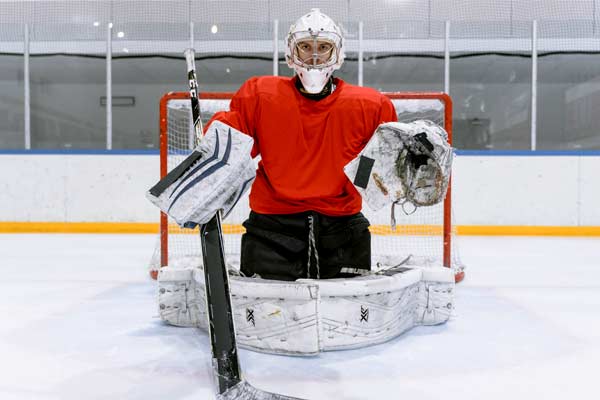
Hockey in Canada is more than an arena of competition — it’s a social rhythm. Declared the national winter sport by law, ice hockey threads through childhoods, puddle-rink seasons, high school rivalries, and national triumphs.
It’s visible in backyard nets, municipal rinks, and the focus of winter TV conversations. Watching a local game is one of the fastest ways to catch a cultural conversation.
Why It Matters
- Community bonding: local and minor hockey leagues are social centers.
- National identity: World Championship and Olympic ice hockey moments carry long memories.
- Weather and architecture: outdoor rinks and rink culture shape small-town life in winter.
Practical Tip: If you have a chance to try skating on outdoor ice, wear layers and bring grippy footwear — and let locals teach you the rhythm rather than worrying about technique.
Vast Landscapes: From Rockies To Boreal Forest
Canada’s geography is wide: the Rocky Mountains, coastal rainforests, endless prairie, and Arctic tundra. That geography shapes a national relationship with space — conservation, outdoor sports, and a language of scale.
National parks, provincial parks, and protected corridors are where Canada’s relationship with land becomes a public practice.
Notable Landscapes
- Canadian Rockies (Alberta/British Columbia): Lakes like Lake Louise and Moraine are postcard-perfect alpine scenes.
- Niagara Falls (Ontario): A powerful, accessible waterfall that remains a major visitor magnet.
- Northern Lights (Aurora): Visible from northern provinces and territories in clear, dark skies.
- Boreal Forest and Tundra: Extensive wilderness areas that define northern ecologies.
Practical Tip: Parks and wilderness areas can be remote — pack layers, plan for weather, and respect wildlife guidelines. Book accommodations and permits in advance during peak seasons.
Cities: Multicultural, Modern, And Distinct
Canada’s big cities feel familiar and distinct at once. Toronto’s skyline and multicultural neighborhoods, Vancouver’s coastal mountain backdrop, Montreal’s quartiers and cafés in French — each urban center brings a different local flavor.
City Highlights
- Toronto: Financial center, diverse population, neighbourhoods for nearly every cuisine.
- Montreal: French-language culture, festivals, and an independent arts scene.
- Vancouver: Pacific coastal city with strong outdoor culture and varied cuisine.
- Ottawa: Capital city with museums, historic sites, and federal institutions.
Practical Tip: Cities are where you’ll find the widest range of cultural events, restaurants, and transit systems. Use transit cards, check local festivals, and explore neighbourhood markets for authentic local flavor.
Indigenous Cultures And Histories
Canada’s story is incomplete without deep attention to Indigenous nations — First Nations, Inuit, and Métis peoples — whose histories, languages, and arts predate and continue alongside colonial institutions.
Indigenous cultures are region-specific and richly varied: you’ll encounter distinct traditions, stories, and contemporary political realities across provinces and territories.
What To Respect
- Indigenous lands and governance structures are diverse.
- Protocols and permissions matter, especially for ceremonies, sites, and photography.
- Indigenous-led cultural centers and museums are excellent places to learn with respect.
Practical Tip: Seek out Indigenous-run tours, galleries, and cultural experiences. Approach with curiosity rather than consumption, and listen to local guidance about photographing sites or artifacts.

Food Culture: Poutine, Bannock, And Local Bites
Canadian cuisine isn’t a single taste, but a collection. Some dishes carry national fame; others are regional treasures or Indigenous staples. Here’s a concise menu of what you’re likely to encounter.
Canada-Famous Foods
- Poutine: Fries, cheese curds, and gravy — born in Quebec, now ubiquitous.
- Maple Products: From syrup to confections.
- Bannock: A bread with deep Indigenous roots, found across communities.
- Seafood: Atlantic lobster, Pacific salmon — coastal regions bring distinct catches.
- Local Game and Berries: Especially in northern and rural areas.
Poutine Snapshot (Quick Table)
| Component | Notes |
|---|---|
| Fries | Thick-cut preferred in many local versions |
| Cheese Curds | Fresh curds that squeak when bitten |
| Gravy | Brown gravy, sometimes with regional spice variations |
Practical Tip: Eat with the locals — small diners and food trucks often have the best versions of beloved dishes.
Healthcare And Social Structures
Canada’s publicly funded healthcare system — often called Medicare — funds medically necessary services and shapes public expectations about access to care.
It operates through a complex partnership between federal standards and provincial delivery, which means availability and specifics vary regionally.
What Visitors Should Know
- Health care isn’t free for visitors; travel insurance is essential.
- Residents access services through provincial plans; coverage differs by province.
- Emergency services are available, but wait times and referrals can vary.
Practical Tip: Carry travel health insurance with clear coverage limits for hospital care and evacuation if you’re visiting from abroad.
Climate And Seasonal Life
Canada’s seasons are distinct, and they matter. Winters are long in many areas; summers can be hot in the prairies. The rhythm of seasons affects work, leisure, and local culture: festivals, sports, and traditions often follow seasonal lines.
Seasonal Notes
- Winter: Snow sports, ice rinks, winter festivals, and the need for insulated clothing.
- Spring: Maple tapping and migration; sudden mud and wet boots.
- Summer: Festivals, camping, long daylight hours in the north.
- Autumn: Leaves, harvests, and cozying up to shorter days.
Practical Tip: Pack for layers. Even summer nights can be cool in many regions. Prepare for rapid weather shifts in mountain and coastal areas.
Education, Innovation, And Research
Canada hosts globally recognized universities and a research environment that often focuses on environmental science, health research, and technology. Cities are hubs for startups and research clusters, and university towns bring cultural life and innovation.
What To Know
- Universities in Toronto, Montreal, and British Columbia are international draws.
- Research often intersects with Indigenous knowledge, especially in environmental studies.
- Student life drives cultural events and local economies in many towns.
Practical Tip: If you’re attending conferences or studying, check immigration and work rules well in advance; many programs have specific requirements for international participants.
Politeness, Rules, And Civic Life
You’ll hear about Canadian politeness — it’s a useful shorthand. In practice, that politeness often shows up as civic-mindedness: orderly queuing, public cleanliness, and attention to consensus in public discussions. This pattern coexists with active debate, regional identities, and political differences.
Practical Tip: Respect personal space and local norms. In many places you’ll find a cultural habit of apologizing even when not at fault — that’s part of conversational lubrication, not always a literal admission.
Economy: Natural Resources And Trade
Canada’s economy leans on a mix of natural resources (energy, forestry, agriculture), services, and technology. Regional economies vary: oil and gas play a heavier role in some provinces; manufacturing and services dominate others. Trade with global partners shapes industries and daily economics.
Practical Tip: If you’re working or investing, know the regional industry mix and local regulations — provinces have significant control over natural resources.
Music, Arts, And Storytelling
From Indigenous song to modern pop, Canada’s cultural exports are wide. Cities nurture festivals, theaters, and film production. Canadian artists frequently engage with place, identity, and landscape in ways that feel quietly interrogative and celebratory at once.
Practical Tip: Look for community arts nights and small festivals; they often reveal more about local culture than headline concerts.
Wildlife And Conservation
Canada’s wildlife ranges from deer and moose near roads to whales off the coasts and polar bears in the far north. Conservation efforts and human-wildlife coexistence practices matter, and many parks emphasize low-impact tourism.
Safety Notes
- Keep distance from wildlife and follow park rules.
- Seasonal closures and bear-aware practices may be in effect.
- Boat and sea wildlife watching follow regulated guidelines for safety and conservation.
Practical Tip: Carry bear spray in some wilderness areas (and know how to use it) and follow local advice for food storage and campsite selection.
Travel Practicalities: Entry, Currency, And Connectivity
Basics
- Currency: Canadian dollar (CAD).
- Entry: Visa and eTA requirements vary by nationality.
- Connectivity: Urban areas have good cellular coverage; expect patchy service in remote regions.
Traveler Checklist
- Passport and any required visas/eTA.
- Travel insurance (medical + trip interruption).
- Seasonally appropriate clothing and footwear.
- Local maps and emergency contacts (especially for remote travel).
Practical Tip: Download offline maps and mark emergency shelters and ranger stations when travelling in remote parks.
A Short Table Of Quick Facts
| Topic | Quick Fact |
|---|---|
| Official Languages | English and French (federal recognition). |
| Maple Syrup | Canada produces a large majority of the world’s maple syrup, mainly in Quebec. |
| National Winter Sport | Ice hockey is the national winter sport and has formal recognition. |
| Healthcare | Publicly funded health care (Medicare) delivered provincially/territorially. |
| Famous Landmark | Niagara Falls sits on the Ontario–New York border and remains a major attraction. |
How To Experience Canada Like A Local
If you want to move beyond postcards and into the lived experience, try these small commitments:
- Eat Where People Line Up: A long queue at a diner or market often means local approval.
- Learn A Few Local Words: Whether it’s a Québécois phrase or a regional greeting, it signals effort and respect.
- Use Public Transit Once: You’ll see daily life — parents, students, workers — in a compressed, revealing way.
- Attend A Community Event: Farmers’ markets, minor hockey games, and local festivals are where neighborhoods meet.
Practical Tip: Ask for local recommendations and be willing to accept smaller, less polished venues — often they’re the best memories.
Cultural Sensitivities And Respectful Travel
Canada is polite, but polite doesn’t mean problem-free. Respect for Indigenous sovereignty, attention to language politics (especially in Quebec), and sensitivity to regional economic tensions matter. Listening and learning are the simplest forms of courtesy.
Do
- Research Indigenous territories and ask before photographing heritage sites.
- Respect language preferences in bilingual regions.
- Avoid assumptions about political or cultural homogeneity.
Don’t
- Assume every person shares the same cultural views or provincial loyalties.
- Expect universal availability of services in both official languages outside federal contexts.
When To Go: Seasonal Considerations
Your reason for visiting will shape the best time to go:
- Winter sports / Aurora viewing: Late fall through early spring in northern and mountain regions.
- Hiking and camping: Late spring to early autumn in most parks.
- Maple season: Spring sugar-shack season for fresh syrup.
- City festivals: Summer brings music, food, and cultural festivals.
Practical Tip: Shoulder seasons (spring and fall) offer fewer crowds and dramatic landscapes (fall foliage, spring melt), but weather is variable.
Packing Essentials For Canadian Weather And Terrain
- Layered clothing (base, insulating, shell).
- Waterproof footwear and a small first-aid kit.
- Reusable water bottle and sun protection (mountain sun is strong).
- Bear-safe container if camping in bear country.
Practical Tip: If you’re heading into the backcountry, register your route with park authorities and carry a means of emergency communication.
Economy Of Small Things: Tipping, Taxes, And Costs
- Tipping: Similar to the U.S. — 15–20% in restaurants is common.
- Sales Tax: Varies by province (GST + provincial PST or combined HST in some provinces).
- Cost Expectations: Major cities can be pricey for lodging and dining; small towns are generally cheaper but offer fewer services.
Practical Tip: Carry a small amount of cash for remote areas; many smaller vendors accept cards but connectivity may be limited.
How Canadians Talk About Their Country
Canadians often describe their country in relational terms — as a set of communities managing a common space. The language is modest, often self-deprecating, but under it sits a strong civic pride: in the land, in public institutions, and in a famously flexible sense of identity.
Practical Tip: When asked “Where are you from?” be ready for follow-up questions about what you think of the seasons, food, or local pastimes — these are conversational ways into belonging.
Top 10 Things Visitors Often Remember
- The taste and smell of maple in spring.
- A quiet, snowy morning with a distant school bell.
- A national hockey game’s communal energy.
- The scale of a mountain lake in the Rockies.
- The surprising variety of regional foods.
- The politeness blended with direct civic discussion.
- The vast empty skies in the far north.
- A bilingual street sign that tells multiple histories.
- Night skies full of northern lights (in the north).
- Small acts of neighborliness in towns and cities.
FAQs
Q: Is French spoken everywhere in Canada?
A: No — French is strong in Quebec and parts of New Brunswick and Ontario, but many provinces operate primarily in English. Federal services will offer both languages in many contexts.
Q: Do I need travel insurance for Canada?
A: Yes. Canada’s publicly funded health system generally covers residents, not visitors. Travel insurance is recommended to cover emergency medical care and evacuation.
Q: Is it true that Canada produces most of the world’s maple syrup?
A: Yes — a large majority of global maple syrup production comes from Canada, particularly Quebec.
Q: What’s the best way to see the Northern Lights?
A: Travel north to territories like Yukon, Northwest Territories, or northern parts of provinces during clear, dark months; book a guided viewing for the best chance. Pack warm layers.
Q: Is it safe to travel in Canada?
A: Generally yes, but safety varies by activity and region. Follow local guidance for wildlife safety, weather, and remote travel preparations.
Parting Notes: The Small Ways Canada Sticks With You
Big attractions create first impressions; the small sensory moments create the second. A coffee sipped on a foggy Pacific morning, the squeak of fresh cheese curds in a busy diner, a late-autumn drive beneath a mapled canopy — these are the moments that become private landmarks.
Canada is famous for big things, sure: maple, hockey, wide skies. But what stays is often quieter: a neighbor who shovels a walk, a festival that welcomes you in, a landscape that re-teaches what scale can mean.
A Short Checklist Before You Go
- Passports/Visas/eTA ✅
- Travel insurance ✅
- Layered clothing and good footwear ✅
- Local emergency contacts and offline maps ✅
- Curiosity and small patience ✅
Go with an appetite for ordinary moments. Canada is a place that rewards noticing.